1. What ROI Really Means in Real Estate
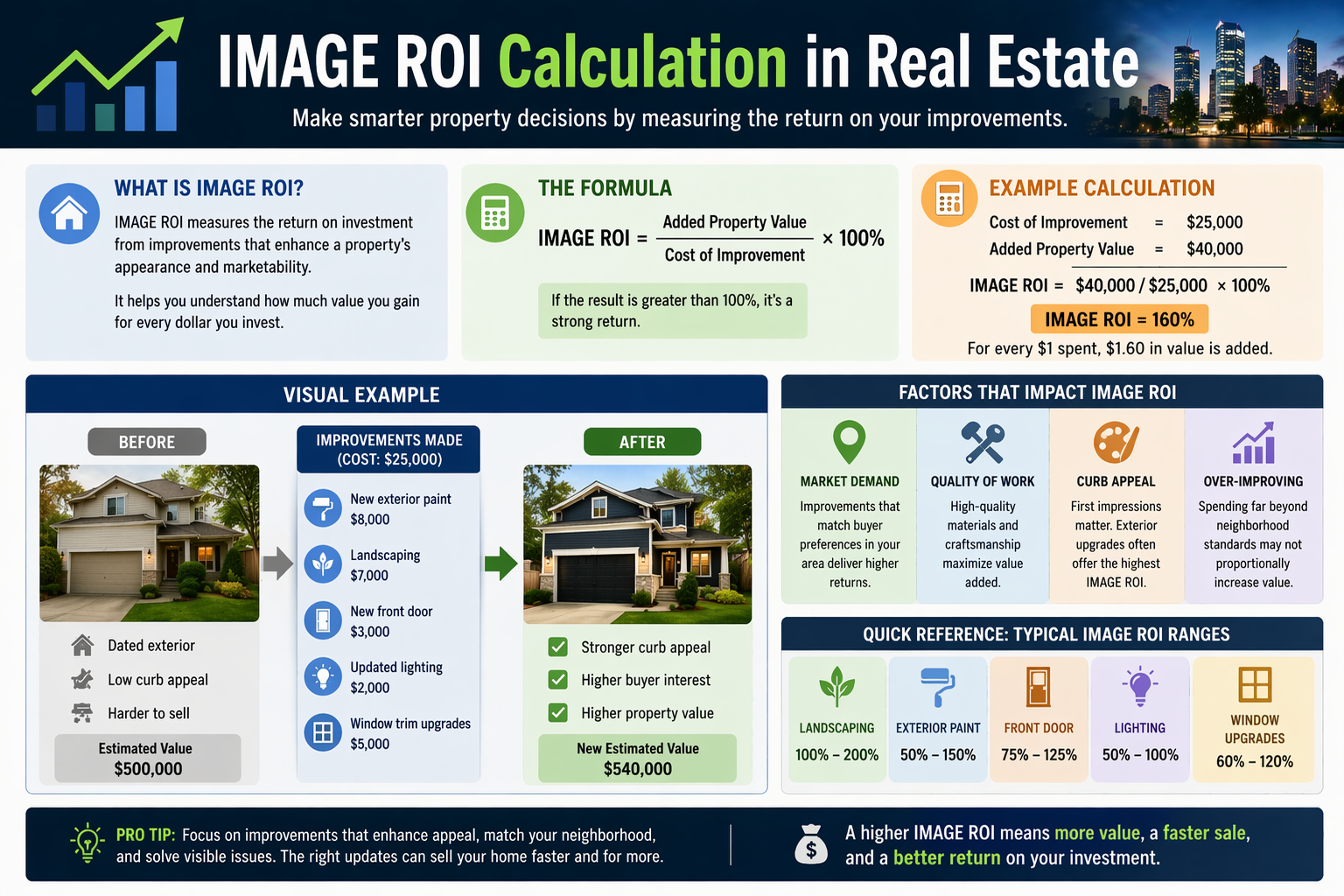
ROI (Return on Investment) measures how efficiently your invested capital generates profit.
Insight: In real estate, ROI is not just a number—it is a decision filter.
- Helps compare properties
- Indicates risk vs reward
- Shows capital efficiency
- Guides buy/hold/sell decisions
2. Cash Flow Is More Important Than Appreciation
Insight:
Many investors focus on rising property value, but cash flow determines survival.
- Appreciation is speculative
- Cash flow is measurable and immediate
- Properties can appreciate yet drain cash
A high-appreciation, negative-cash-flow property can be riskier than a stable, lower-growth asset.
3. Gross ROI vs Net ROI (Critical Distinction)
Gross ROI:
- Considers rental income only
- Ignores expenses
- Overestimates returns
Net ROI:
- Accounts for all operating costs
- Reflects real performance
- Insight: Always calculate Net ROI for accurate analysis.
4. ROI Changes Over Time (Dynamic Insight)
Insight: ROI is not fixed.
- Mortgage reduces → ROI improves
- Rent increases → ROI improves
- Maintenance rises → ROI declines
- Vacancy affects short-term ROI
Smart investors reassess ROI annually, not just at purchase.
5. Leverage Magnifies ROI (and Risk)
Insight: Using loans (leverage) can increase ROI dramatically—but also increases exposure.
Example:
- Cash purchase → lower ROI, lower risk
- Mortgage purchase → higher ROI on cash invested
However:
- Interest rate hikes
- Vacancy
- Market downturns
Leverage amplifies both gains and losses
6. ROI Alone Is Incomplete (Context Insight)
Insight: ROI must be evaluated alongside other metrics:
- Cash-on-Cash Return
- Cap Rate
- IRR (Internal Rate of Return)
- Debt Coverage Ratio (DCR)
A property with lower ROI but higher stability may be preferable.
7. Location Influences ROI More Than Design
Insight: The strongest ROI driver is location, not construction quality alone.
- Demand
- Rental market strength
- Infrastructure growth
- Employment hubs
Good design improves value—but cannot fix a weak location.
8. Hidden Costs Destroy ROI
Insight: Underestimating expenses is the most common ROI mistake.
Hidden costs include:
- Vacancy periods
- Property management fees
- Maintenance escalation
- Taxes and insurance increases
- Legal and compliance costs
Conservative assumptions protect ROI
9. Short-Term vs Long-Term ROI Strategy
Insight: Different investors optimize for different ROI timelines.
Short-Term Investors:
- Focus on flipping
- ROI driven by price spread
- Higher risk
Long-Term Investors:
- Focus on rental yield
- ROI driven by cash flow + appreciation
- Lower volatility
ROI strategy must match investment horizon
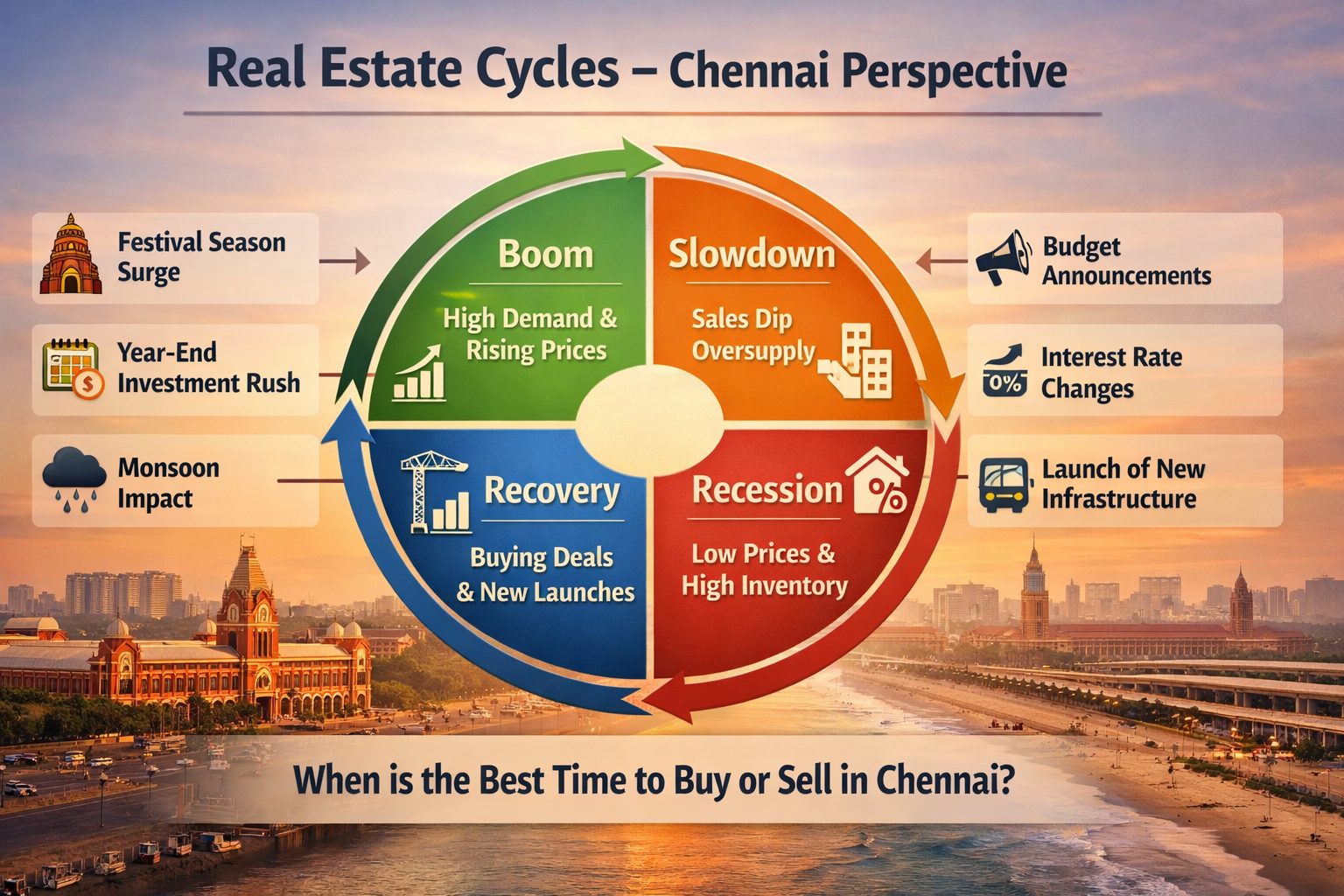
10. Market Cycles Affect ROI Timing
Insight: ROI depends on when you enter and exit the market.
- Buying at peak reduces ROI
- Buying during downturn increases ROI
- Holding through cycles stabilizes returns
- Real estate ROI is cyclical, not linear.