Understanding the Chennai Real Estate Context
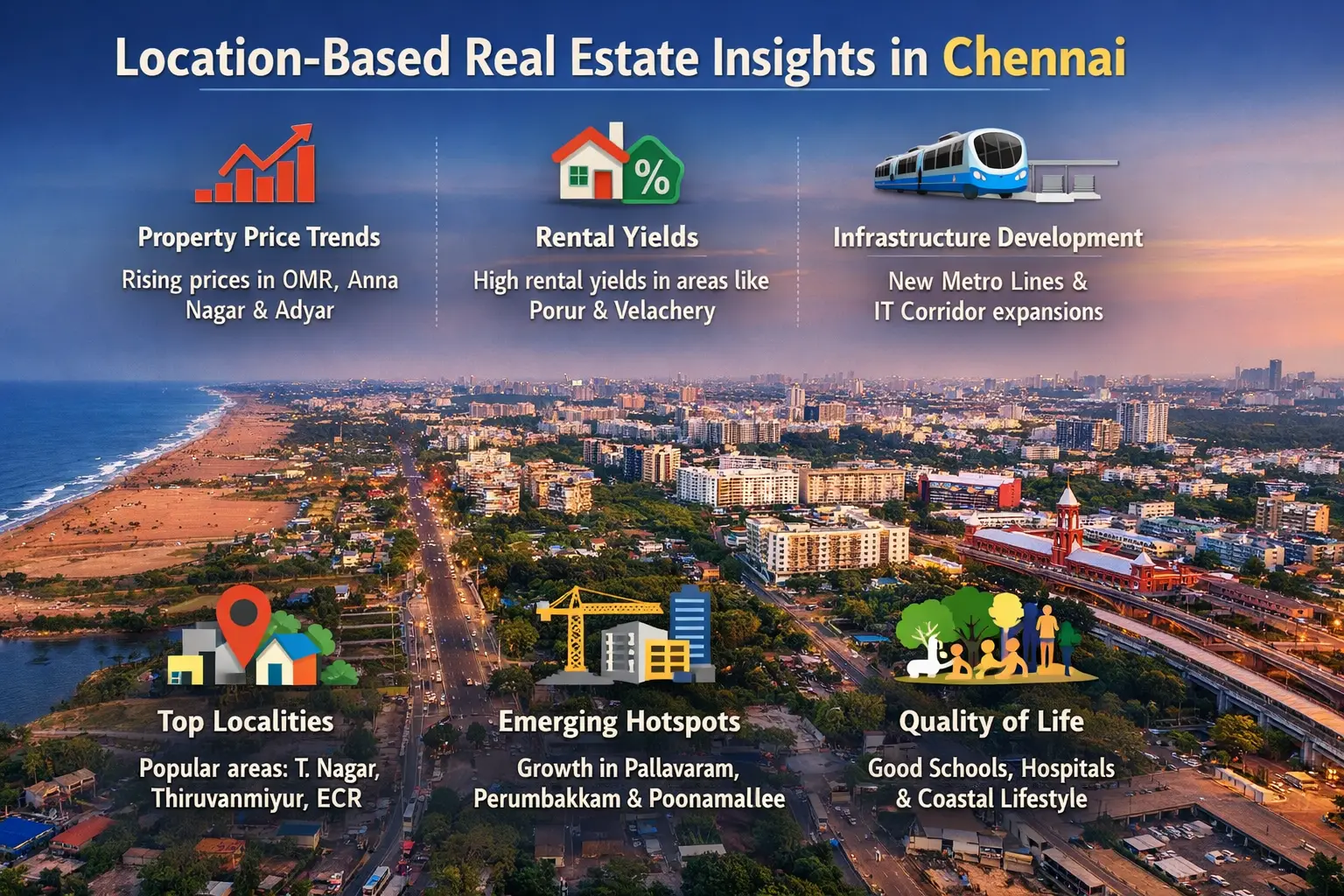
Chennai is one of India’s most stable real estate markets. Unlike speculative markets, property prices here grow steadily due to:
- Strong end-user demand
- IT and industrial employment
- Educational institutions
- Healthcare hubs
- Long-term residential occupancy
This stability directly impacts how builder floors perform as an investment.
What Is a Builder Floor?
A builder floor is a low-rise residential building, typically:
- G+1, G+2, or G+3 construction
- One or two homes per floor
- Built on an individual plot
- Each unit sold separately
Each buyer owns:
- Their individual floor
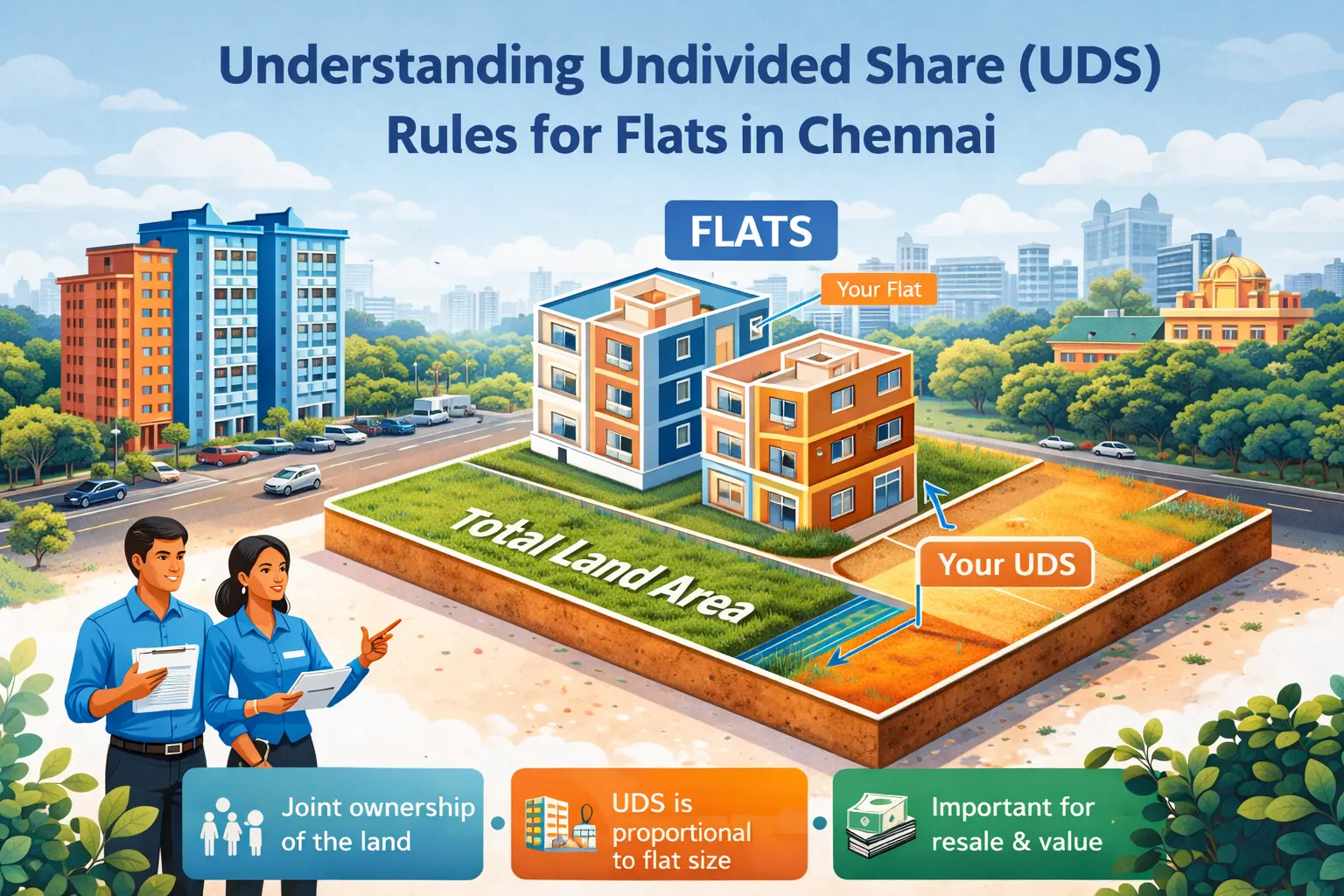
- A share of the land (UDS – Undivided Share of Land)
- Shared rights over staircases, parking, and terrace (as per agreement)
Cost Structure of Builder Floors in Chennai
Builder floors sit between apartments and independent houses in pricing.
- Cheaper than independent houses (no full land purchase)
- More expensive than regular flats (higher land share, lower density)
- Lower amenity costs (no clubhouse, gym, large staff)
This pricing structure makes builder floors attractive for mid-segment investors.
Investment Performance: How Builder Floors Behave Over Time
1. Capital Appreciation
- Builder floor appreciation is driven mainly by land value, not amenities.
- Chennai land prices historically rise faster than apartment super-built values
- Builder floors usually carry higher UDS than high-rise apartments
- In mature localities, appreciation is steady rather than volatile
Result:
Moderate to strong long-term appreciation, especially in established or growing residential zones.
2. Rental Income Stability
Builder floors attract:
- Families
- Professionals
- Long-term tenants
Reasons:
- More privacy than apartments
- Fewer neighbours
- Larger room sizes
- Independent-house feel at a lower cost
Rental growth is stable rather than aggressive, but vacancy risk is usually lower than luxury apartments.
3. Liquidity & Resale
- Builder floors have good resale demand in Chennai
- Ticket size is manageable for end users
- Faster resale than independent houses
- Slightly slower resale than large apartment complexes
Liquidity depends heavily on:
- Location
- Building age
- Legal approvals
- Parking and access
Construction & Building Life Cycle
Builder floors typically:
- Age faster than gated apartments (fewer shared funds)
- Depend on owner cooperation for maintenance
- Have simpler structures (lower long-term structural risk)
However:
- Redevelopment potential exists because land is shared by fewer owners
- Older builder floors can be demolished and rebuilt through joint development agreements
- This adds long-term redevelopment value, which apartments often lack.
Legal & Ownership Aspects
From an investment perspective:
- Ownership is freehold
- UDS is clearly defined (if documents are proper)
- Loans are available if approvals exist
- Title clarity is critical
Legal strength directly impacts:
- Bank financing
- Resale value
- Future redevelopment
Risks Associated with Builder Floor Investments
Builder floors are not risk-free. Common risks include:
- Approval gaps
Some projects may lack proper planning approvals.
- Maintenance coordination
No professional association like large apartments.
- Parking limitations
Poor planning affects rental and resale value.
- Quality variance
Construction quality depends entirely on the builder.
- Location sensitivity
Returns vary significantly street-to-street, not just area-to-area. These risks do not eliminate investment value but explain why due diligence matters more for builder floors than apartments.
Long-Term Investment Outlook in Chennai
Builder floors perform best when viewed as:
- 5–10 year investments
- End-user driven assets
- Land-value-oriented properties
They are not speculative assets, but they are reliable wealth-preservation and growth instruments in Chennai’s conservative property market.
Conclusion
A builder floor is a good investment in Chennai when evaluated on:
Long-term stability
- Land value participation
- Rental reliability
- Moderate risk