Feb 05 2026
Kodambakkam is one of Chennai’s most established residential localities, known for its central location, excellent connectivity, and mature social infrastructure. Over the years, property prices in Kodambakkam have shown steady and resilient growth, making it a preferred choice for both end-users and long-term investors.
During this period, Kodambakkam remained a strong residential market despite limited availability of large land parcels. Most developments were redevelopment projects and low-rise apartments.
Key Market Characteristics
Average Property Prices
Rs 5,500 – Rs 6,500 per sq. ft.
Currently, Kodambakkam’s real estate market is defined by strong demand and restricted supply. With very few vacant plots available, most new projects are boutique apartments and premium redevelopments.
Key Market Drivers
Buyer Profile
Current Property Prices
Rs 9,000 – Rs 11,000 per sq. ft. (depending on project quality and road width)
Kodambakkam’s future price growth is expected to be moderate but consistent, driven mainly by redevelopment, infrastructure improvements, and lifestyle upgrades rather than large-scale expansion.
Growth Catalysts
Price Projection
Rs 12,000 - Rs 14,000+ per sq. ft. in premium developments
Rental Market Insights
Kodambakkam continues to be a strong rental market due to its location and connectivity.
For End-Users
For Investors
Also Read: Chennai Property Price Trends In Past Present and Future
Kodambakkam is a low-risk, high-stability real estate market
Price growth is driven by location advantage, not speculation
Best suited for end-users and conservative investors
Limited supply will continue to support price appreciation
Kodambakkam remains one of Chennai’s most dependable residential micro-markets. While it may not offer explosive short-term returns, it delivers consistent appreciation, strong rental demand, and lifestyle convenience. For buyers seeking long-term value in central Chennai, Kodambakkam stands out as a smart and secure choice.
https://www.livehomes.in/live_insights
Feb 04 2026
Velachery sits at the crossroads of Chennai’s IT-industrial growth:
Insight: Areas with good transit links tend to outperform others in growth and rental demand.
Velachery isn’t just about homes — it offers a complete urban lifestyle:
Insight: Quality infrastructure drives longer-term price stability more than just location alone.
Property values in Velachery have seen:
Insight: Velachery’s market is seen as stable, with low volatility compared to peripheral suburbs.
While connectivity is strong overall, daily life conditions can be challenging:
Insight: Ease of mobility heavily influences quality of life — and thus resale potential — within the same neighbourhood.
Rapid population growth impacts local utilities:
Insight: Micro-location matters: even within Velachery, elevation and plot drainage can affect living experience and prices.
Velachery sees high occupancy rates thanks to:
Insight: For investors, Velachery offers strong rental yields — especially 1–2 BHK units.
Typical Velachery buyers include:
Insight: Demand comes from both end-users and investors — a healthy mix that supports market stability.
| Strengths | Weaknesses |
| Excellent Connectivity | Peak hour traffic |
| Strong Social Infrastucture | Water Supply Pressure |
| High Rental appeal | Flood Sensitive zones |
| Appreciating property values | Higher entry price vs older suburbs |
| Opportunities | Threats |
| Upcoming metro expansion | Slower sales in over priced |
| New residenatial projects | Regulatory delays |
| IT & Corporate expansions | Infrastructure lag vs demand |
Feb 03 2026
Chennai’s real estate market has evolved steadily over the past two decades, driven by infrastructure growth, IT expansion, and increasing urban demand. Understanding past trends and current conditions offers valuable insight into where the market is headed.
During the early 2000s, Chennai witnessed rapid urban expansion. The rise of the IT sector along OMR (Old Mahabalipuram Road) and GST Road transformed the city’s outskirts into residential and commercial hubs.
Key Insights:
Average Property Prices:
Rs 2,500 – Rs 6,000 per sq. ft. (location dependent)
The current Chennai real estate market is characterized by stability rather than speculation. Buyers today are value-conscious, focusing on livability, connectivity, and long-term appreciation.
Key Insights:
Rs 7,000 – Rs 12,000 per sq. ft. in prime residential locations
The future of Chennai’s real estate market looks promising, driven by large-scale infrastructure and economic growth.
Key Growth Drivers:
Emerging micro-markets are expected to witness significant price appreciation, especially near metro corridors and employment hubs.
Projected Property Prices:
Rs 15,000+ per sq. ft. in premium and high-demand areas
Chennai’s real estate market has transitioned from rapid expansion to sustainable growth. With strong fundamentals, infrastructure momentum, and steady demand, the city offers long-term value rather than short-term speculation. For home buyers and investors alike, Chennai continues to be one of India’s most reliable and resilient real estate markets.
Feb 02 2026
Investing in real estate in Chennai requires a nuanced understanding of the relationship between land value and built-up value, as these two components determine the overall cost, profitability, and long-term returns of property investments.
Land value refers to the cost of the raw plot or land before any construction takes place. In Chennai, land is the primary driver of real estate prices, particularly in prime locations such as:
Price Range: ?25,000 – ?50,000 per sq. ft. (depending on location, connectivity, and development potential).
Key Drivers of High Land Value:
Insight: Land in Chennai is considered a scarce and appreciating asset, often growing in value faster than built-up properties. Investors see land as a long-term store of wealth.
Built-up value refers to the cost of the property once it is constructed. It includes:
Price Range: ?15,000 – ?25,000 per sq. ft.
Observation: While construction costs have risen due to labor and material price inflation, they do not increase as rapidly as land prices in prime Chennai locations. This leads to a wider gap between land value and built-up value.
Key Considerations for Built-Up Value:
Also Read: Markets Myths vs Reality in Real Estate
| Features | Land Value | Bulit Up Value |
| Price Range | Rs 25,000 - Rs 50,000 sqft | Rs 15,000 - Rs 25,000 sqft |
| Primary Driver | Location scarity and Demand | Construction costs and quality |
| Apperciation Potential | High, Long term | Moderate |
| Investment Nature | Long term asset | Short/medium term returns |
| Liquidity | Moderate ( requries buyer interest ) | Higher ( ready property can be sold quickly ) |
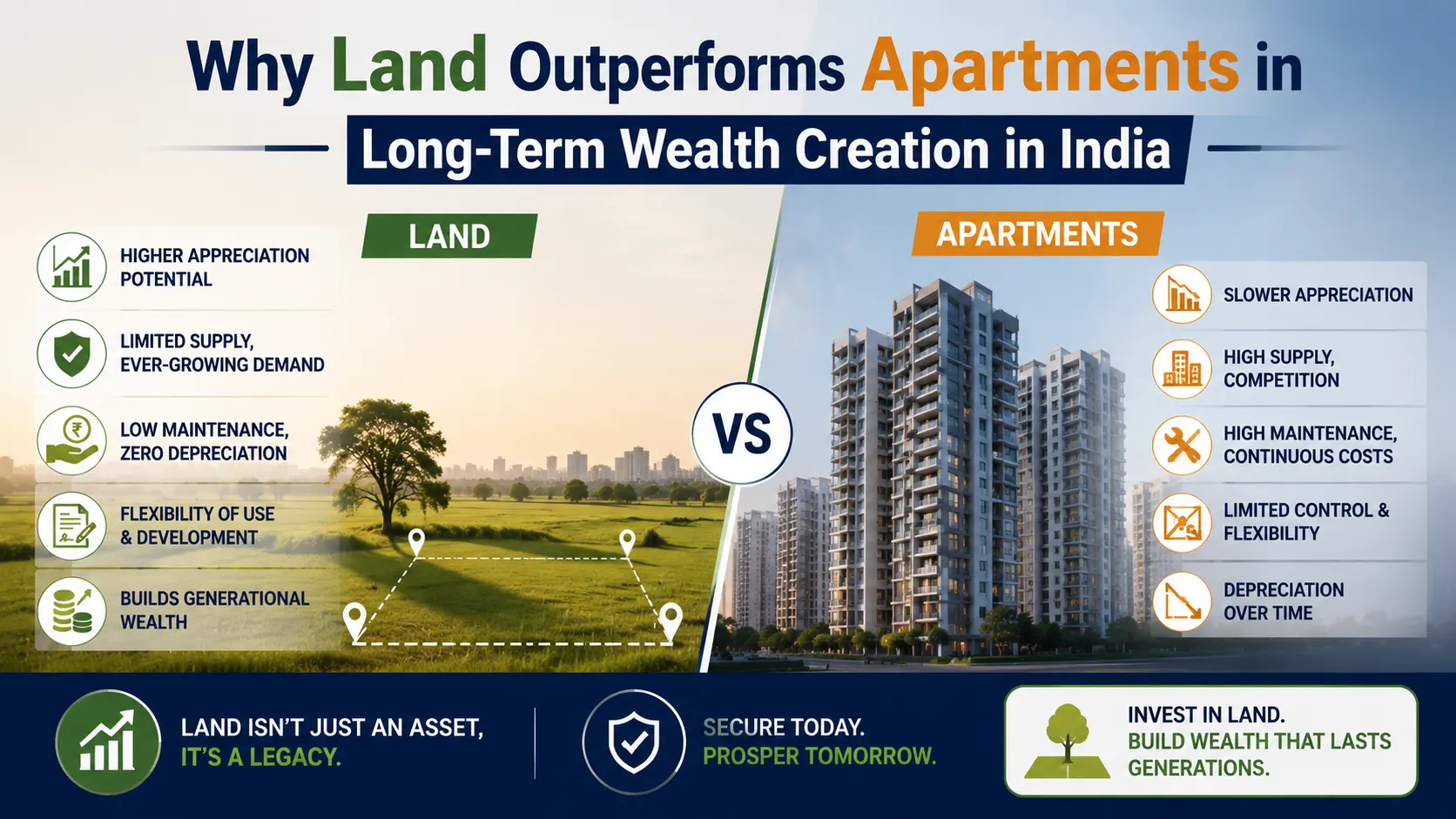
Insight: In Chennai, land value significantly outpaces built-up value, meaning the plot itself often determines investment returns. Investors buying land in high-demand corridors can benefit from long-term capital appreciation, regardless of construction trends.
Chennai’s real estate market is characterized by:
Bottom Line: In Chennai, land is the real investment driver. Built-up value adds functional utility and immediate returns (rental income), but the ultimate long-term wealth is largely determined by location and land scarcity.
Jan 31 2026
In today’s real estate market, RERA compliance is no longer optional — it is a decisive factor that influences buyer trust, investment security, and project credibility. Since the introduction of the Real Estate (Regulation and Development) Act, 2016 (RERA), the Indian property market has undergone a fundamental transformation. For homebuyers, RERA has become a seal of transparency, accountability, and legal protection. For developers, it is a mark of credibility. And for investors, it significantly reduces risk.
This is why RERA compliance is now a true deal-maker.
RERA was introduced to:
Under RERA, every eligible residential and commercial real estate project must be registered with the respective State RERA authority before being marketed or sold.
A RERA-registered project is legally bound to follow strict rules related to approvals, construction timelines, financial management, and disclosures.
Before RERA, buyers often faced:
How RERA Changes This
RERA mandates developers to publicly disclose:
All this information is available on the official RERA website, making it easy for buyers to verify claims.
Result: Buyers can now make informed, confident decisions.
One of the biggest problems in real estate was project delays.
RERA’s Impact
If a project is delayed:
This accountability has significantly improved on-time delivery rates across the market.
Also Read: Markets Myths vs Reality in Real Estate
RERA enforces strict financial control mechanisms.
Escrow Account Rule
Why This Matters
Earlier, developers often used buyer funds for unrelated projects, causing cash crunches and stalled construction.
Now: Your money is directly tied to the progress of your project.
RERA provides a fast and specialized grievance redressal system.
Buyer Rights Under RERA
Disputes are resolved much faster compared to traditional courts.
This legal backing has empowered buyers like never before.
RERA standardizes:
Benefits to Buyers
This eliminates unfair contracts that heavily favored developers in the past.
RERA compliance separates credible developers from unreliable ones.
What Buyers Look for Today
Developers who consistently comply with RERA:
In many cases, buyers refuse to even consider non-RERA projects.
For investors, RERA compliance reduces:
Investor Advantages
RERA-compliant projects are easier to finance, lease, and sell.
Resale Market
Home Loan Approval
Banks and financial institutions prefer:
This makes loan processing smoother and faster.
With rising property prices and cautious buyers, trust has become the most valuable currency in real estate.
In today’s market:
RERA compliance addresses all these concerns
RERA has fundamentally reshaped the Indian real estate sector. Today, a RERA-compliant project is not just a legal requirement — it is a mark of trust, safety, and professionalism.
In the current real estate environment, RERA compliance is not just an advantage — it is a deal-maker.
Jan 30 2026
Real estate is full of long-standing beliefs that often sound true—but don’t always match today’s market reality. Understanding the difference between myths and facts helps buyers, sellers, and investors make smarter, more confident decisions.
Reality: Many Low Down Payment Options Exist
One of the biggest misconceptions is that buyers must save a 20% down payment to purchase a home. While putting 20% down can help avoid private mortgage insurance (PMI), it is not required in most cases.
The Reality:
Waiting years to save 20% may actually cost buyers more if home prices and interest rates rise during that time.
Reality: Homes Sell Successfully All Year Round
Spring is often called the “best” season to sell, but that doesn’t mean other seasons are bad.
The Reality:
The best time to sell is when market conditions and your personal situation align, not just the calendar.
Reality: Markets Rise and Fall Over Time
While real estate tends to appreciate over the long term, prices do not move in a straight line.
The Reality:
Real estate is best viewed as a long-term investment, not a guaranteed short-term profit.
Also Read: Tier 2 and Tier 3 Cities The Next Real Estate Boom in India 2026
Reality: Overpricing Often Hurts a Sale
Many sellers believe listing high gives them flexibility. In reality, overpricing can do more harm than good.
The Reality:
Homes priced correctly from the start typically sell faster and closer to asking price.
Reality: Timing the Market Is Risky
Trying to “time” the market based on interest rates alone can backfire.
The Reality:
A home’s price, not just the rate, plays a major role in overall affordability.
Also Read: Real estate market cycles understanding boom and bust cycles in residential and commercial markets
Reality: Expert Guidance Saves Time, Money, and Stress
With online listings available everywhere, some believe agents are unnecessary.
The Reality:
A skilled agent often helps clients avoid costly mistakes and secure better outcomes.
Reality: Not All Upgrades Deliver a Return
Upgrading a home doesn’t guarantee higher profits.
The Reality:
Strategic improvements based on local market data offer the best ROI.
Real estate success isn’t about following myths—it’s about understanding current market realities and making informed decisions based on facts, data, and expert advice.
Whether you’re buying, selling, or investing, separating myth from reality allows you to:
Jan 29 2026
By 2026, India’s real estate growth is expected to be increasingly driven by Tier-2 and Tier-3 cities, marking a major shift away from the long-standing dominance of Tier-1 metropolitan markets. This transformation is not temporary or speculative; it is rooted in deep economic, demographic, and infrastructure changes across the country.
Examples: Jaipur, Indore, Kochi, Coimbatore, Surat, Nagpur, Lucknow.
Examples: Udaipur, Guntur, Hubballi, Tiruppur, Siliguri, Alwar.
These cities are transitioning from traditional local economies to modern, diversified urban ecosystems.
a) Infrastructure Expansion
Large-scale public investment is reshaping smaller cities:
Better connectivity directly increases land value, housing demand, and commercial viability.
b) Housing Affordability Advantage
Compared to Tier-1 cities, property prices in Tier-2 and Tier-3 cities are significantly lower:
This affordability supports strong demand from first-time homebuyers, salaried professionals, and middle-income households.
c) Employment Generation Outside Metros
Economic decentralization is a major driver:
Job creation leads to sustained demand for residential housing, rental units, and commercial spaces.
d) Demographic and Lifestyle Shifts
Population dynamics strongly favor smaller cities:
Quality of life factors such as cleaner environments, shorter commute times, and community living play a crucial role.
e) Government Housing and Urban Policies
Policy support is strengthening demand and supply:
These policies reduce risks and improve transparency in smaller markets.
Also Read: Why Infrastructure Investment Predicts Real Estate Growth
Residential real estate forms the backbone of the boom:
Price appreciation is gradual but steady, supported by real end-user demand rather than speculation.
Commercial Real Estate
Industrial and Logistics Real Estate
This diversification strengthens the overall real estate ecosystem.
Real estate developers are increasingly focused on Tier-2 and Tier-3 cities because:
Both regional and national developers are expanding their presence, increasing project quality and market confidence.
These indicators reflect genuine, broad-based demand, not short-term market hype.
Despite strong momentum, certain challenges remain:
However, these challenges are structural and gradually improving with time and investment.
Also Read: Real estate market cycles understanding boom and bust cycles in residential and commercial markets
By 2026, Tier-2 and Tier-3 cities are expected to:
The shift represents a rebalancing of India’s urban and real estate growth, aligned with economic decentralization and inclusive development.
The rise of Tier-2 and Tier-3 cities as real estate growth engines is driven by infrastructure, affordability, employment expansion, demographic change, and policy support. This transformation is structural, long-term, and integral to India’s urban future. By 2026, these cities are positioned not as alternatives to metros, but as essential pillars of India’s real estate and economic growth.
Jan 26 2026
Airport connectivity and proximity to IT corridors are among the most powerful drivers of long-term urban, economic, and real estate growth. Together, they create a strong ecosystem that attracts businesses, talent, infrastructure investment, and population inflow, leading to sustained development over decades rather than short-term booms.
1.1 Airport Access
Airport access refers to:
Modern airports are not just transport hubs—they are economic engines that influence regional growth patterns.
1.2 IT Corridor Access
An IT corridor is a concentrated zone of:
These corridors often develop along major highways, ring roads, or metro lines and become magnets for skilled professionals and high-value employment.
2.1 Global Connectivity and Business Expansion
Airports connect cities to:
Companies prefer locations near airports because:
This leads to:
Over time, this creates airport-centric economic zones (often called aerotropolises).
2.2 Employment Generation
Airports generate both direct and indirect employment, such as:
Each airport job typically creates multiple secondary jobs, boosting local income levels and consumption.
2.3 Infrastructure Upgradation
Areas around airports often receive:
Governments prioritize airport-linked zones for infrastructure spending because:
This infrastructure investment continues for decades, ensuring long-term growth.
Also Read: Why Infrastructure Investment Predicts Real Estate Growth
3.1 High-Value Employment and Income Growth
IT corridors generate:
High incomes lead to:
This creates a self-sustaining economic loop.
3.2 Continuous Demand for Real Estate
IT corridors drive demand for:
Unlike industrial zones, IT corridors:
This ensures long-term appreciation rather than speculative spikes.
3.3 Talent Clustering and Innovation
When IT companies cluster:
This makes the area future-proof, adaptable to new technologies and economic shifts.
When an area has both airport access and IT corridor proximity, growth accelerates significantly.
4.1 Ideal for Multinational Companies
Global firms look for:
Such locations become:
This locks in long-term economic relevance.
4.2 Real Estate Appreciation Over Time
Historically, areas near airports and IT corridors show:
Unlike speculative real estate markets, growth here is demand-driven, supported by jobs and infrastructure.
4.3 Planned Urban Development
Governments often promote:
These lead to:
Such planning ensures longevity and reduces risks of urban decay.
5.1 Improved Quality of Life
As demand grows, developers introduce:
Residents benefit from:
5.2 Population Influx and Urbanization
Airport-IT corridors attract:
This leads to:
Cities evolve from suburban zones into fully developed urban centers.
Also Read: Real estate market cycles understanding boom and bust cycles in residential and commercial markets
| Aspect | Airport & IT Corridor Growth | Speculative Growth |
| Driver | Jobs + Infrastructure | Hype & rumors |
| Stability | High | Low |
| Appreciation | Gradual & Sustained | Volatile |
| Rental Demand | Strong | Weak |
| Risk | Lower | Higher |
This makes airport and IT corridor access ideal for long-term investors, planners, and residents.
With trends like:
Airport-linked IT corridors will:
Cities that integrate airports, IT hubs, and transit systems will dominate future economic growth.
Airport and IT corridor access acts as a long-term growth catalyst because it combines:
Rather than short-lived development, these factors create enduring economic ecosystems that support growth for decades. Areas with strong airport and IT corridor connectivity consistently outperform others in terms of livability, investment returns, and resilience against economic downturns.
https://www.livehomes.in/live_insights
Jan 24 2026
Infrastructure investment is one of the strongest leading indicators of real estate growth because it changes how people live, work, and move. When governments or private entities invest in infrastructure, they unlock demand, reduce costs, and increase land utility, which directly boosts property values.
What infrastructure includes
Why this matters
Accessibility determines how valuable land is.
When travel time decreases:
Real estate impact
Example:
A new metro station can increase nearby residential property values by 10–30% because commuting becomes easier.
What happens after infrastructure investment
Why jobs drive real estate
Jobs = people
People = housing demand
As employment grows:
Real estate impact
Key insight:
Real estate prices don’t rise just because of buildings—but because people with income move in.
Before infrastructure
After infrastructure
Real estate impact
Important:
Land with infrastructure is worth significantly more than land without it—even if location is similar.
Infrastructure changes zoning reality.
What changes
Real estate impact
Example:
Highways and ring roads often create real estate corridors where land values multiply over 5–10 years.
People pay more to live where life is easier.
Infrastructure that improves lifestyle
Real estate impact
Investor insight:
Areas with good social infrastructure attract long-term residents, which stabilizes prices and reduces volatility.
Large infrastructure projects signal:
Why investors care
Real estate impact
Key point:
Smart investors follow infrastructure announcements, not just current prices.
Infrastructure spending doesn’t stop at construction.
Multiplier chain
Real estate impact
Economic truth:
Real estate growth is strongest when backed by real economic activity, not hype.
Real estate prices usually rise in stages:
Why infrastructure predicts growth
Because it happens before people and businesses arrive.
Best strategy:
Buy when infrastructure is announced or under construction, not after it’s fully completed.
Infrastructure Investment →
Jan 23 2026
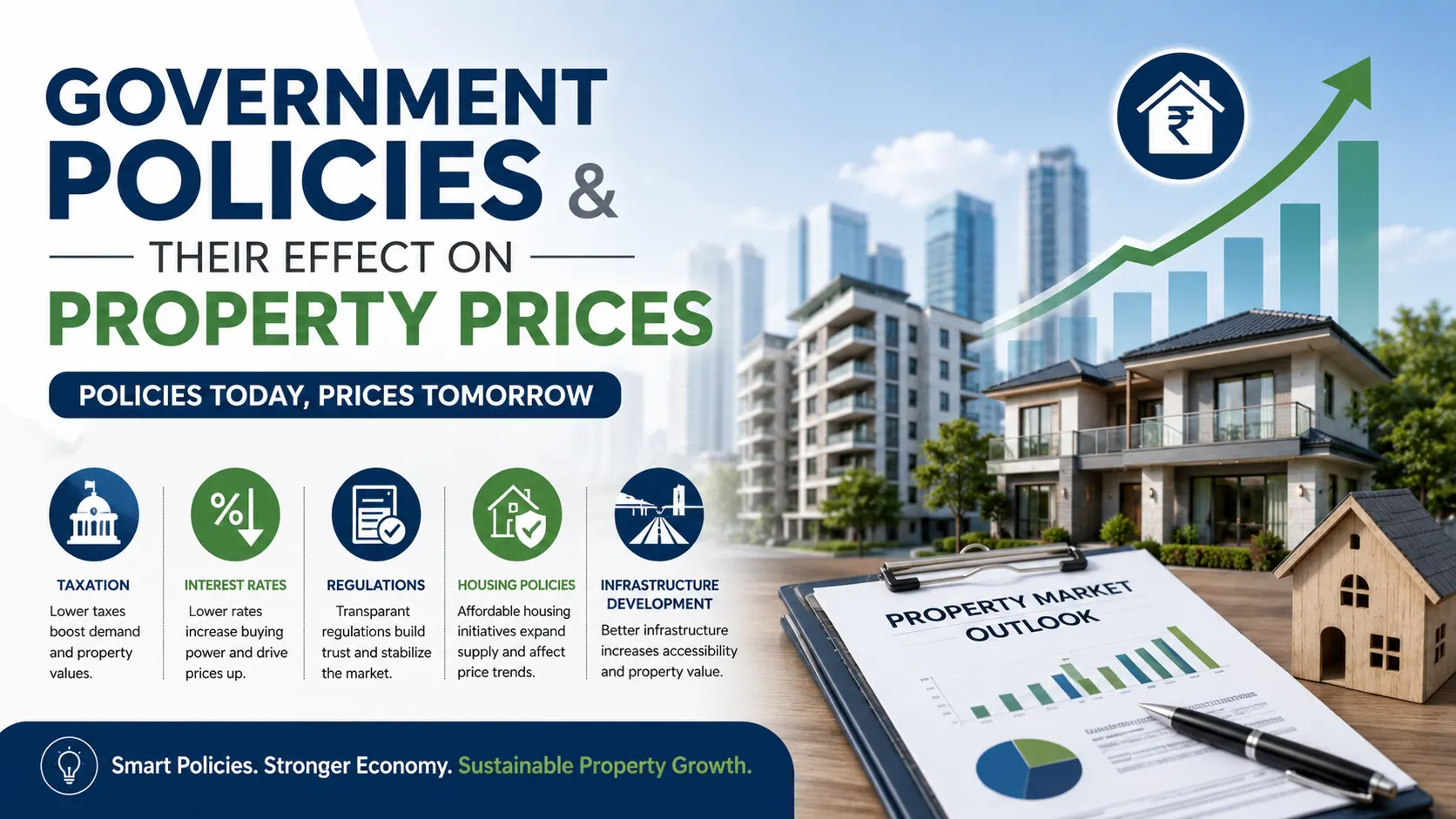
The real estate sector is one of the most important components of an economy, contributing significantly to employment, investment, and overall economic growth. Property demand is influenced by several factors such as income levels, interest rates, availability of credit, location, and government policies. Among government policy tools, taxation and stamp duty play a crucial role in shaping property demand. These charges directly affect the cost of buying, owning, and selling property, thereby influencing buyer behavior and market activity.
2.1 Property-Related Taxes
Property-related taxes are levies imposed by the government at different stages of property ownership and transaction. These include:
Each of these taxes adds to the overall cost of property and influences demand differently.
2.2 Stamp Duty
Stamp duty is a one-time tax paid to the government when a property is transferred from seller to buyer. It is usually calculated as a percentage of the property’s market value or agreement value, whichever is higher. Since stamp duty must be paid upfront and is generally not covered by home loans, it has a strong psychological and financial impact on buyers.
Property demand depends on affordability, which is determined by:
When taxes and stamp duty increase, the effective price of property rises, even if the base property price remains unchanged. This reduces demand. Conversely, when these charges are reduced, the effective price falls, encouraging more buyers to enter the market.
4.1 Increased Cost of Acquisition
High stamp duty significantly increases the total cost of purchasing a property. For example, a 7–10% stamp duty can add a substantial amount to the buyer’s upfront financial burden. This discourages buyers, especially in high-value property markets.
4.2 Reduced Affordability
Higher taxes reduce purchasing power. Buyers may:
First-time homebuyers are particularly affected because they rely heavily on savings and loans.
4.3 Decline in Market Transactions
As affordability declines, the number of property transactions decreases. Lower transaction volumes lead to reduced market liquidity and slower movement of inventory.
4.4 Negative Impact on Housing Prices
With weaker demand, sellers are often forced to:
This can result in stagnation or decline in property prices, especially in oversupplied markets.
4.5 Reduced Investment Demand
High taxes lower post-tax returns on property investments. Investors may move capital to alternative assets such as stocks or bonds, reducing speculative and long-term investment in real estate.
4.6 Rise in Informal Transactions
Excessive stamp duty can encourage under-reporting of property values and cash transactions, leading to:
5.1 Improved Affordability
Lower stamp duty reduces the initial financial burden, making home ownership more accessible. Buyers can allocate funds toward:
5.2 Increase in Buyer Confidence
Tax reductions signal supportive government policy, improving market sentiment. Buyers feel more confident about making long-term investments in property.
5.3 Growth in Housing Demand
Lower transaction costs attract:
This leads to increased demand across residential segments.
5.4 Higher Transaction Volumes
Reduced taxes encourage faster buying decisions, increasing the number of property registrations and overall market activity.
5.5 Positive Impact on Property Prices
In high-demand locations, increased demand can push prices upward. This benefits:
5.6 Boost to Construction and Allied Industries
Higher demand stimulates new construction projects, generating employment and boosting industries such as cement, steel, furniture, and home services.
6.1 Homebuyers
High taxes reduce affordability and delay ownership
Lower taxes enable easier access to housing
6.2 Developers and Builders
High taxes result in slow sales and cash flow issues
Lower taxes increase sales velocity and project launches
6.3 Investors
High taxes reduce net yields and capital appreciation
Lower taxes improve returns and market participation
6.4 Government
High taxes generate higher revenue per transaction but reduce transaction volume
Lower taxes increase compliance, transparency, and total revenue through higher sales volume
The real estate sector has strong linkages with the broader economy. Changes in tax and stamp duty rates can:
Well-balanced taxation policies help maintain market stability and long-term growth.
Taxes and stamp duty are powerful policy tools that directly affect property demand. High taxes and stamp duty increase acquisition costs, reduce affordability, slow transactions, and weaken market demand. In contrast, lower and rationalized taxes improve affordability, boost buyer confidence, increase demand, and stimulate economic activity. A balanced tax structure is essential to ensure sustainable growth in the real estate sector while maintaining government revenue and market transparency.
https://www.livehomes.in/live_insights
Jan 22 2026
Affordable housing schemes are government-led or public-private initiatives designed to provide safe, decent, and affordable housing to individuals and families who cannot afford homes at prevailing market prices. These schemes play a critical role in addressing urbanization pressures, rising real estate costs, income inequality, and homelessness while promoting inclusive and sustainable development. Housing is a basic human necessity, and affordable housing ensures social stability, economic growth, and improved quality of life for low- and middle-income populations.
2.1 Provide Low-Cost Housing
The primary goal is to reduce the cost of home ownership or rental housing by offering:
This enables economically weaker sections to own or rent homes without financial distress.
2.2 Reduce Homelessness
Affordable housing helps:
2.3 Promote Social Inclusion
These schemes ensure equitable access to housing for:
This fosters socially balanced and inclusive communities.
2.4 Support Sustainable Urban Development
Planned affordable housing reduces urban sprawl and promotes:
3.1 Low-Income Families
Families earning below a defined income threshold benefit through:
3.2 Economically Weaker Sections (EWS)
Includes individuals with minimal income who receive:
3.3 First-Time Homebuyers
Special incentives are provided to encourage ownership, such as:
3.4 Essential Workers
Includes:
These workers often live near urban centers but struggle with high rents.
3.5 Senior Citizens and Persons with Disabilities
Housing units may include:
4.1 Subsidized Interest Rates
Governments provide interest subsidies on home loans, reducing monthly EMI payments and overall loan burden.
4.2 Down Payment Assistance
Financial aid or grants help beneficiaries meet initial down payment requirements.
4.3 Rent-to-Own Options
Tenants can convert rental payments into ownership over time, helping those unable to purchase outright.
4.4 Fixed Price Caps
Housing units are sold or rented at prices significantly below market rates to ensure affordability.
4.5 Smaller, Efficient Housing Units
Homes are designed to be:
4.6 Green and Sustainable Construction
Many schemes include:
While criteria vary by region, common conditions include:
6.1 Below-Market Pricing
Affordable housing units are typically priced 20%–40% lower than market rates, making them accessible to low-income buyers.
6.2 Government Subsidies
Subsidies may include:
6.3 Affordable EMIs
Lower interest rates and longer loan tenures reduce monthly financial stress.
7.1 Job Creation
Affordable housing construction generates employment in:
7.2 Boost to Local Economy
Housing projects stimulate:
7.3 Increased Productivity
Stable housing improves:
8.1 Improved Quality of Life
Residents gain:
8.2 Community Development
Affordable housing encourages:
8.3 Education and Health Benefits
Children perform better academically, and families experience better health outcomes due to improved living conditions.
9.1 Land Availability
High land costs in urban areas limit project scalability.
9.2 Funding Constraints
Limited public budgets can slow project execution.
9.3 Infrastructure Gaps
Affordable housing must be supported by:
9.4 Regulatory Delays
Complex approval processes may delay housing delivery.
Governments often collaborate with private developers to:
Incentives to developers include:
Affordable housing will continue to be a priority due to:
Future strategies may include:
Affordable Housing Schemes are essential for building equitable, sustainable, and resilient societies. By providing cost-effective housing solutions, these schemes reduce inequality, strengthen communities, stimulate economic growth, and ensure that every citizen has access to a safe and dignified home. Governments, private developers, financial institutions, and communities must work together to expand affordable housing access and meet growing demand.
https://www.livehomes.in/live_insights
Jan 21 2026
Inflation is the sustained increase in the general price level of goods and services, which reduces purchasing power over time. In real estate, inflation interacts with:
Because property is a real (tangible) asset, real estate often behaves differently from cash or bonds during inflationary periods.
A. Rising Property Prices Over Time
Inflation generally leads to higher nominal property values due to:
Currency Devaluation
Asset Appreciation
Result: Property values typically rise in inflationary environments, though growth may vary by location and economic strength.
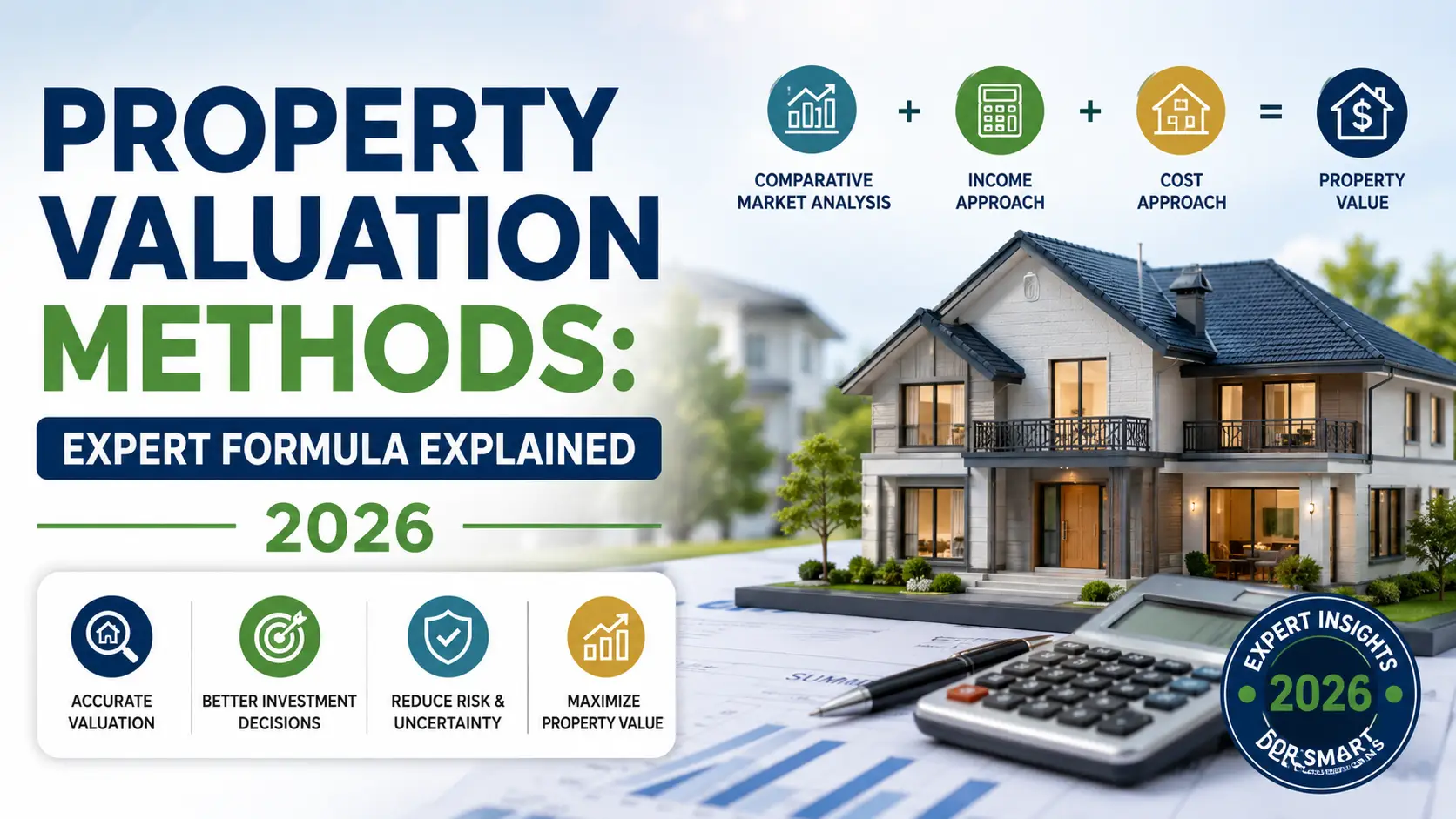
Also Read: Market Valuation of Property in India
B. Interest Rates and Short-Term Volatility
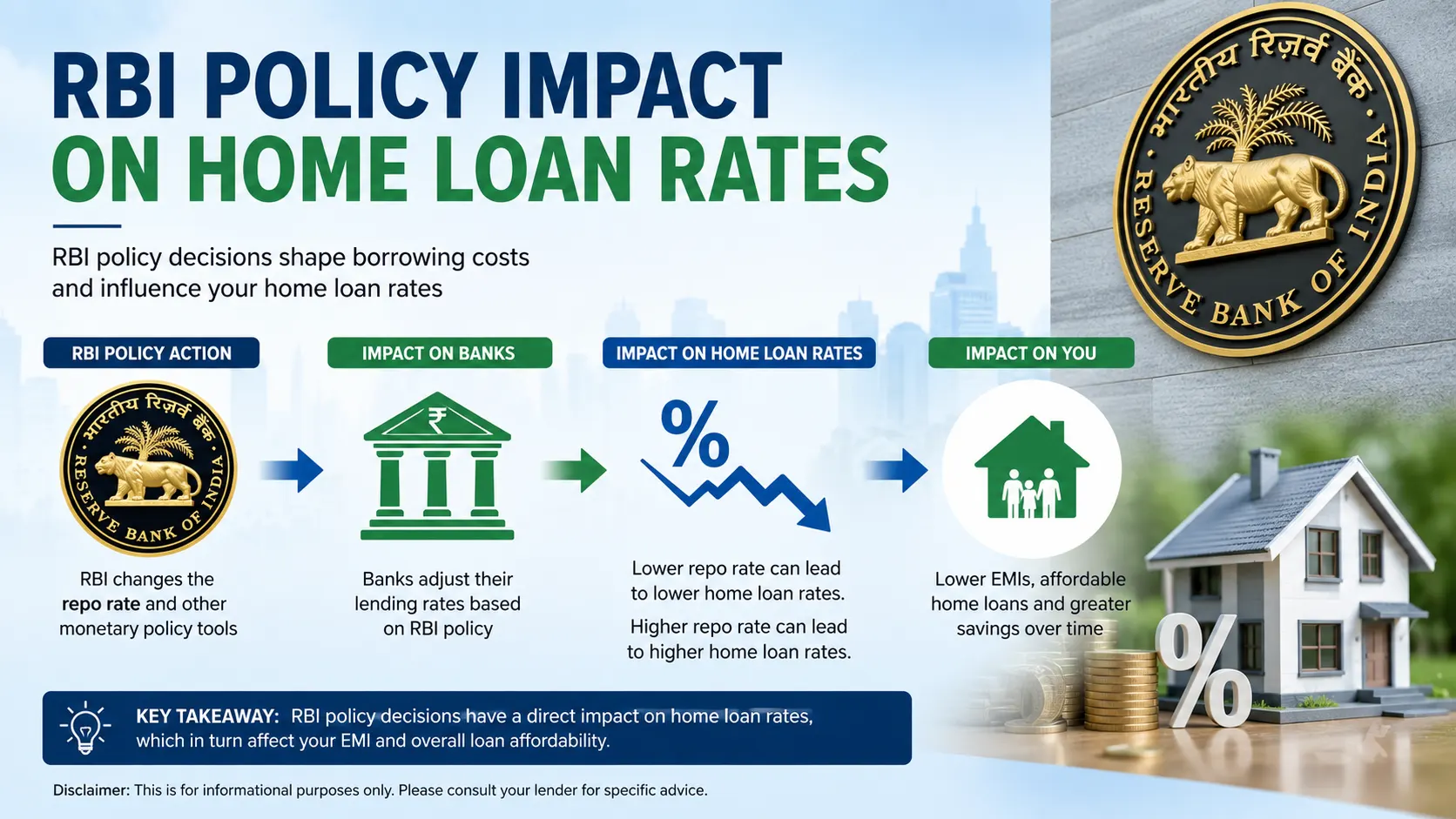
Inflation often prompts central banks to raise interest rates to control price growth.
Short-term impacts:
Long-term impacts:
Key Insight: Inflation may slow prices briefly, but over long horizons, property values usually recover and grow.
A. Rising Rents
Inflation directly and indirectly pushes rents higher:
Result: Rental rates generally rise during inflationary periods, especially in markets with limited housing supply.
B. Rental Affordability Challenges
While rents rise, income growth often lags inflation, leading to:
Long-term risk: Political and regulatory pressure may increase where affordability becomes a social issue.
A. Inflation as a Hedge for Investors
Real estate is widely viewed as a natural hedge against inflation:
Example:
If inflation is 5% annually and mortgage payments are fixed, the real cost of debt declines each year.
B. Cash Flow and Yield Considerations
Positive effects:
Challenges:
Strategic Shift: Investors often prioritize:
C. Portfolio and Strategy Adjustments
In the long term, inflation encourages investors to:
A. Wealth Creation and Equity Growth
For homeowners, inflation can significantly enhance wealth:
Outcome: Homeownership becomes a powerful tool for long-term wealth accumulation.
B. Affordability for New Buyers
However, inflation creates barriers for new homeowners:
This can widen the gap between:
C. Cost of Ownership
Inflation also increases:
Long-term reality: While ownership builds wealth, it requires careful budgeting and long-term planning.
These policies can affect both returns and market dynamics.
For Investors:
For Homeowners:
Inflation reshapes property markets by raising values, increasing rents, and shifting affordability dynamics. While it presents short-term challenges, particularly through higher interest rates and living costs, real estate remains one of the most resilient assets in inflationary environments. For investors and homeowners who adopt long-term strategies, inflation can serve not as a threat—but as a powerful driver of wealth preservation and growth.
Live Services
19, Feb 2026
Porur Real Estate Growth After Metro Expansion
18, Feb 2026
Why Property Prices Are Rising in Ashok NagarDigital Shift in India Housing Finance: Young Buyers Leading the...
North Chennai Porur & Kundrathur Projects Set to Take Centre...
Tambaram Corporation Announces Plans for Two Multi-Level Parking Facilities, Best...
Homebuyers in Chennai Allege Flats Sold on Temple Owned Land,...
HC Declines to Hear Pleas Against Construction in Pallikaranai, Best...
RBI permits bank loans to the National Cooperative Development Corporation...
Yes, we offer property management services for landlords who require assistance with managing their rental properties. Our services include finding tenants, collecting rent, handling maintenance issues, and ensuring compliance with legal requirements.
Construction is the process of building, assembling, or erecting structures, infrastructure, or facilities.
Look for designers with experience in projects similar to yours, check their portfolio, and ensure they understand your vision and budget.
Trends vary, but some popular ones include sustainable design, biophilic design (connecting with nature), and minimalist aesthetics.
The borrower receives a lump sum of money from the lender, which is then repaid over time with interest, typically through monthly payments.