Property investment works best when it is treated as a financial strategy, not an emotional purchase. The right investment property must perform well even if you never live in it yourself.
1. Start With Absolute Clarity of Purpose
Before looking at locations or prices, define your investment intent clearly.
Investment Intent Types:
- Income-focused – regular rental income
- Growth-focused – capital appreciation over time
- Balanced – rental income + appreciation
- Wealth preservation – low risk, stable asset
This clarity determines the following:
- Area selection
- Property size
- Budget flexibility
- Risk tolerance
- Holding duration
Mistake to avoid:
Buying a property first and deciding the goal later.
2. Understand Real Estate Market Cycles
Property markets move in cycles:
- Recovery
- Growth
- Peak
- Correction
- Stabilization
Smart Investors:
- Buy during early growth or stabilization
- Avoid buying during hype-driven peaks
- Focus on fundamentals, not short-term price jumps
Even a good location bought at the wrong price can reduce returns.
3. Location Analysis – Go Beyond “Good Area”
Location is not just about popularity—it’s about future demand.
Detailed Location Evaluation Checklist:
- Employment growth nearby
- Road width and access points
- Public transport connectivity
- Flood risk and water availability
- Civic infrastructure quality
- Noise, pollution, and congestion levels
- Scope for future development (vacant land, zoning)
Ideal Investment Location:
A developing area next to a mature market gives the best risk–reward balance.
4. Demand–Supply Balance (Very Important)
Investment success depends on who will buy or rent after you.
Check Demand:
- Who lives here today?
- Who will live here in 5–10 years?
- Are tenants moving in easily?
- How long do resale properties stay listed?
Check Supply:
- Number of new projects coming up
- Land availability
- Oversupply risk
Oversupply reduces:
- Rental growth
- Price appreciation
- Resale speed
5. Property Type Selection (Deep Comparison)
Apartments (Most Preferred)
Pros
- Strong rental demand
- Easier resale
- Predictable pricing
- Managed maintenance
Cons
- Limited land ownership
- Moderate appreciation
Independent Houses
Pros
- Higher land appreciation
- Customization freedom
Cons
- Higher maintenance
- Lower rental yield
- Smaller buyer pool
Plots
Pros
- Best long-term appreciation
- No maintenance cost
Cons
- No rental income
- Longer holding period required
For most investors, mid-sized apartments offer the safest entry.
6. Unit Configuration & Floor-Level Strategy
Why Configuration Matters:
Buyers and tenants prefer standard layouts.
Best Investment Configurations:
- 2 BHK → highest liquidity
- Compact 1 BHK → strong rental ROI
- Practical 3 BHK → long-term value
Floor Selection:
- Middle floors often have highest demand
- Avoid extreme ground-floor or top-floor units unless priced attractively
- Good ventilation and light increase resale value
7. Builder & Project Evaluation (Deep Due Diligence)
A poor builder can destroy a good investment.
Builder Evaluation Checklist:
- On-time delivery history
- Construction quality consistency
- Transparency in agreements
- Legal track record
- Post-handover service quality
Project-Level Checks:
- Density (number of units vs land size)
- Parking ratio
- Amenities vs maintenance cost
- Long-term livability
Avoid choosing a project only for amenities—focus on practicality.
8. Legal Due Diligence (Critical for Exit)
A legally weak property becomes difficult to sell.
Must-Check Legal Points:
- Clear title ownership
- Approved building plans
- Completion/occupancy certificate
- Proper registration
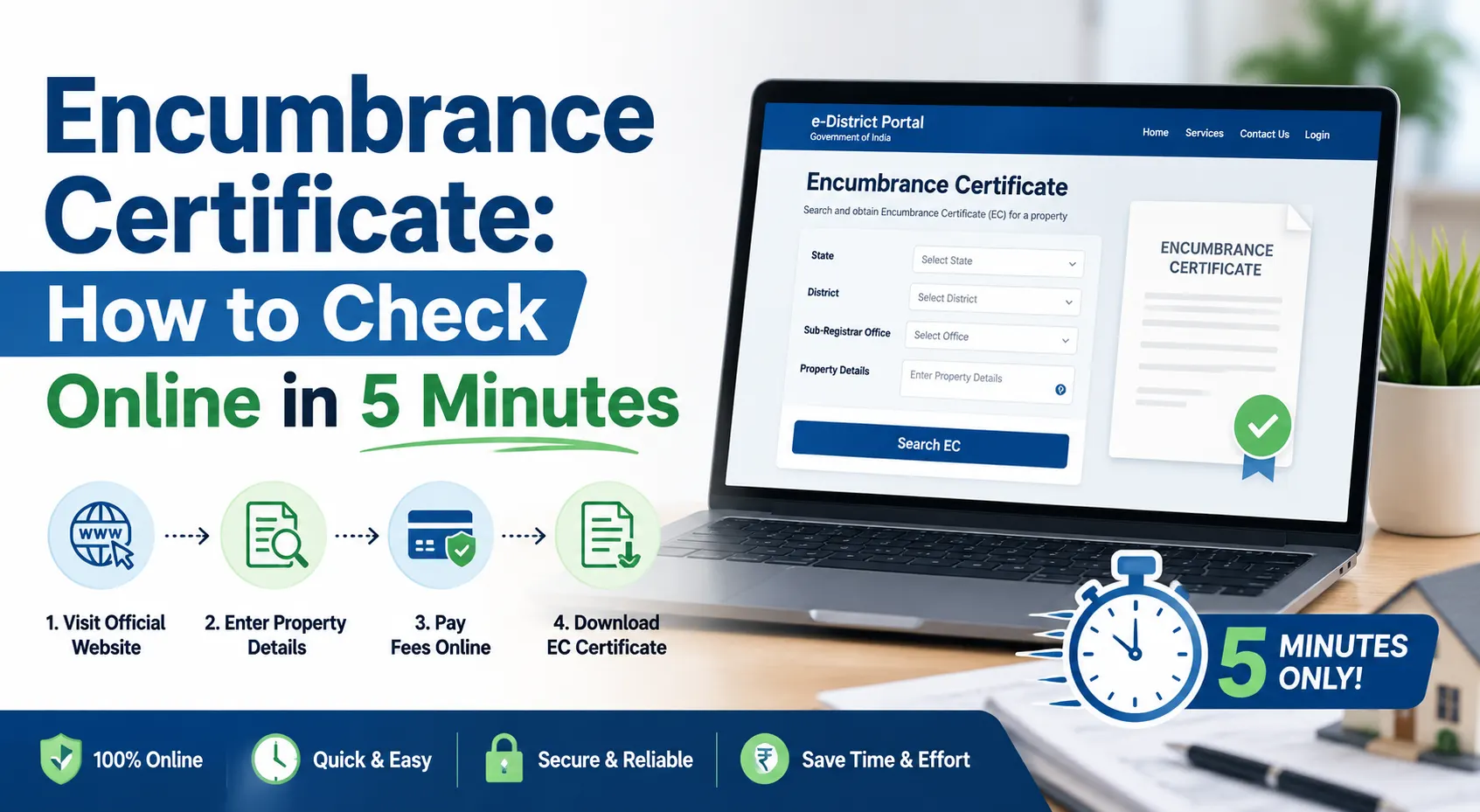
- No litigation or encumbrances
Legal clarity ensures the following:
- Loan eligibility
- Smooth resale
- Investor confidence
9. Financial Planning & ROI Calculation
Calculate Total Investment Cost:
- Property price
- Registration & stamp duty
- Interior & furnishing
- Maintenance deposits
- Loan interest over time
Calculate Returns:
- Gross rental income
- Net rental income (after expenses)
- Rental yield percentage
- Expected appreciation rate
A good investment balances cash flow + growth, not just one.
10. Risk Management Strategy
Every property investment carries risks.
Common Risks:
- Vacancy risk
- Price stagnation
- Regulatory changes
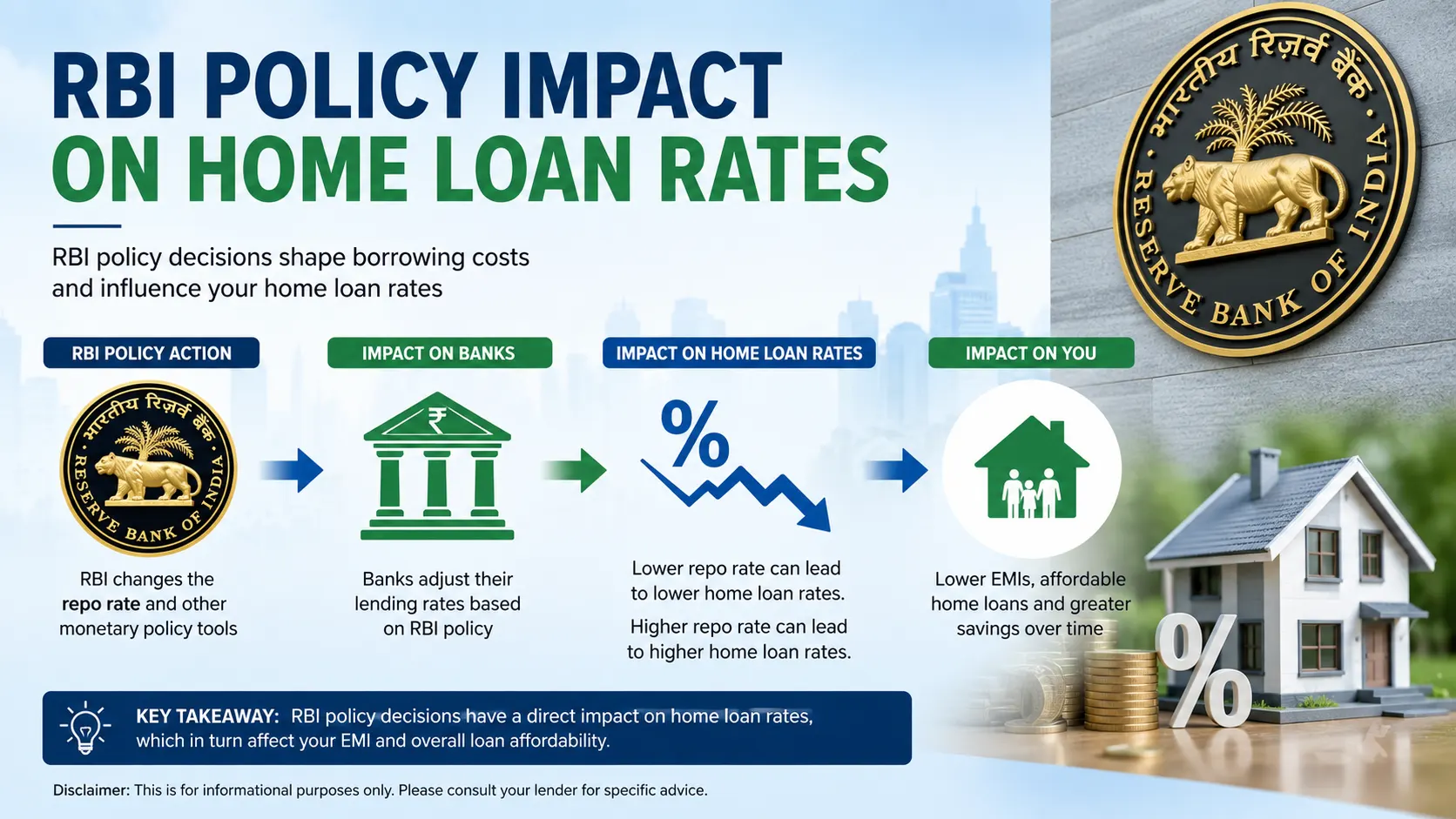
- Interest rate hikes
Risk Reduction Methods:
- Choose high-demand locations
- Buy practical unit sizes
- Avoid over-leverage
- Keep emergency funds
- Prefer legally clean properties
Lower risk = higher long-term stability.
11. Exit Strategy (Often Ignored, Very Important)
Always buy with resale in mind.
- Good Exit Indicators:
- Large buyer pool
- Standard configuration
- Recognized location
- Good maintenance history
Conclusion
The right property investment is boring, practical, and demand-driven. It may not look exciting today, but it performs consistently over time. A disciplined approach—focused on location, demand, legal clarity, and financial logic—turns property investment into a powerful long-term wealth-building tool.
FAQs – Property Investment
Q1. How much capital should I keep aside apart from property cost?
At least 10–15% of property value for registration, interiors, maintenance, and emergencies.
Q2. Is rental yield or appreciation more important?
Both matter, but appreciation builds wealth, while rental income supports holding.
Q3. Should I buy purely for tax benefits?
No. Tax benefits are secondary. The property must make sense even without tax savings.
Q4. How long should I wait before selling?
Ideally 7–10 years to ride market cycles and maximize appreciation.
Q5. Are new projects better than resale properties?
- New projects: Better pricing, higher appreciation potential
- Resale: Immediate income, lower risk
Choose based on risk appetite.
Q6. Is it risky to invest with a home loan?
Only if EMI exceeds comfortable limits. Smart leverage improves returns when managed carefully.
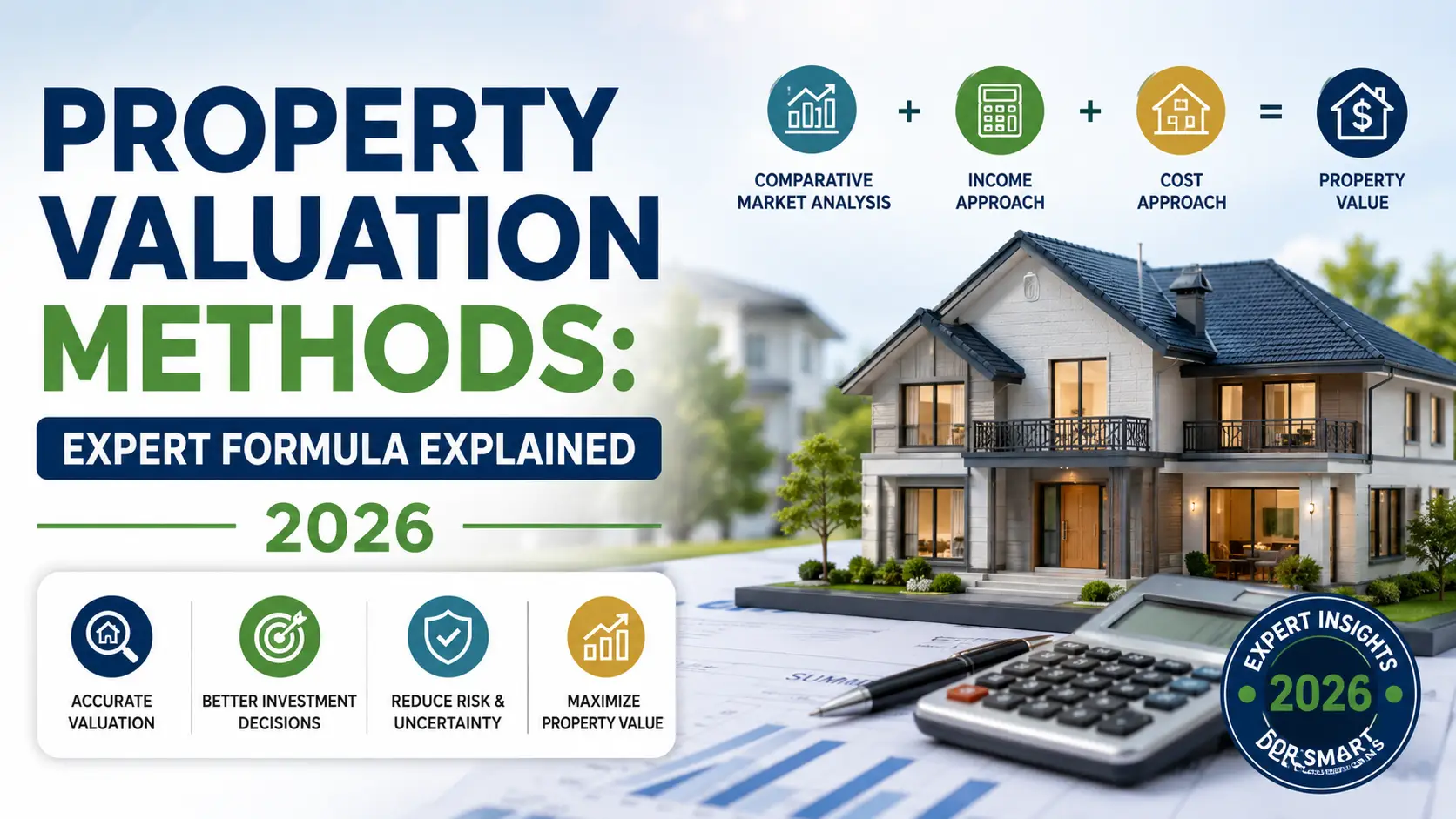
Q7. How do I know if a price is reasonable?
Compare:
- Nearby resale prices
- Rental potential
- Construction quality
- Location advantages
Never rely only on builder quotes.
Q8. What is the biggest mistake investors make?
Buying emotionally, ignoring legal checks, and assuming prices will always rise.